.svg)

A planned economy is unlike others in that normal checks and balances are removed. To maintain GDP and employment targets, China is reinvesting its impressive trade surplus (near $1 trillion per annum) in industries it views as strategic with massive implications.
For sophisticated institutional investors and risk managers, this theme is likely to have a major impact on portfolio holdings over the next couple of years and beyond.
The traditional view of business is that competitors have constraints, which drive outcomes. For example, a certain level of investment is typically required to set up and establish a business. Another is that, over time, the business needs to make a profit. Lastly, and most importantly, businesses typically do not sell products for less than their marginal cost of production.
Unfortunately, for numerous industries, those “assumptions” are proving to be false as in China, the state appears to be willing to forego these basic assumptions in an effort to stoke GDP and maintain employment. While claims of unfair practices are multiplying, those claims take time to address and, in the meantime, industries are hollowed out.

The partnership between government and commerce is nothing new. The Dutch East India Company, the South Sea Company, the British East India Company, Hudson’s Bay Company and numerous others were granted special concessions and monopolies on various trade areas. However, two distinctions are relevant: one is that such arrangements are rare in modern times, and two, the extent of government support was minimal post the granting of the charters. Per the Economist, “European firms have long complained that their Chinese rivals benefit from artificially cheap land, energy, capital and other subsidies.”
An axiom in the technology area is that it is often not the developer of the technology that reaps the benefits, but rather the user. Extending this axiom to the matter before us, our view is that it is not the developer of the new technology, but rather the firm that is able to make products based on the technology. The depressing thought is that much of the design and technology work for some of the newer industries was done in the West (particularly in America), and that the benefits of manufacturing the new items are often realized in China. Perhaps the ultimate example is that an automobile probably contains $500 of raw material (e.g., steel, plastics, rubber, coatings, etc.), which, after conversion, can be sold for $50K. Per Elon Musk, manufacturing is far harder than design.
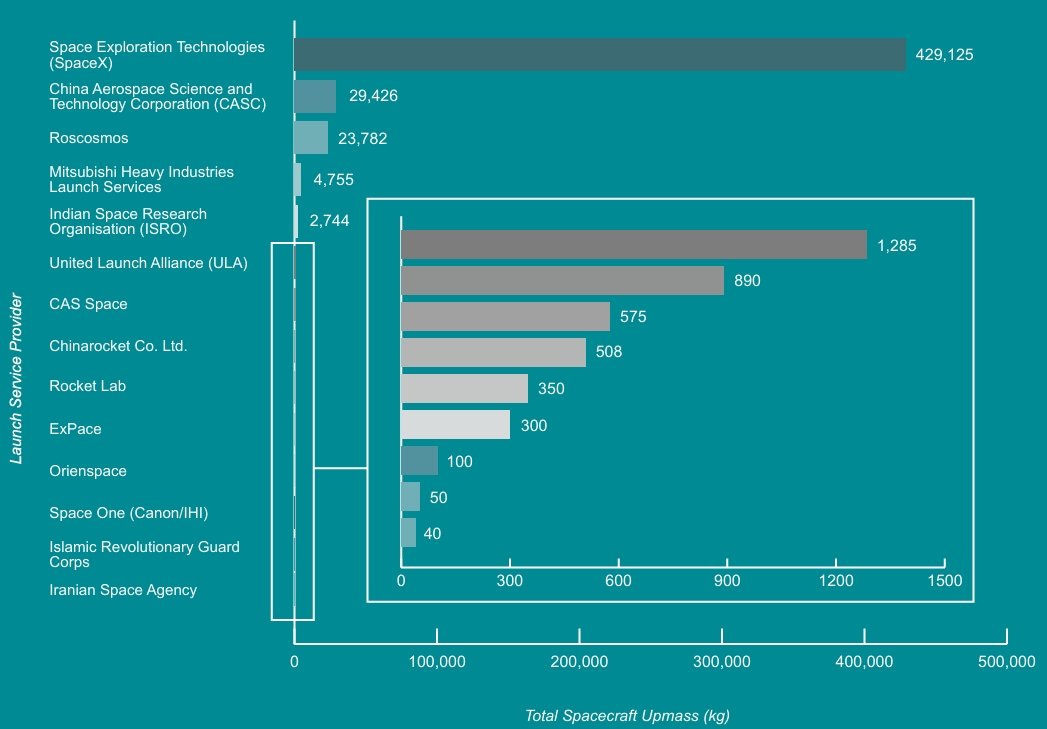
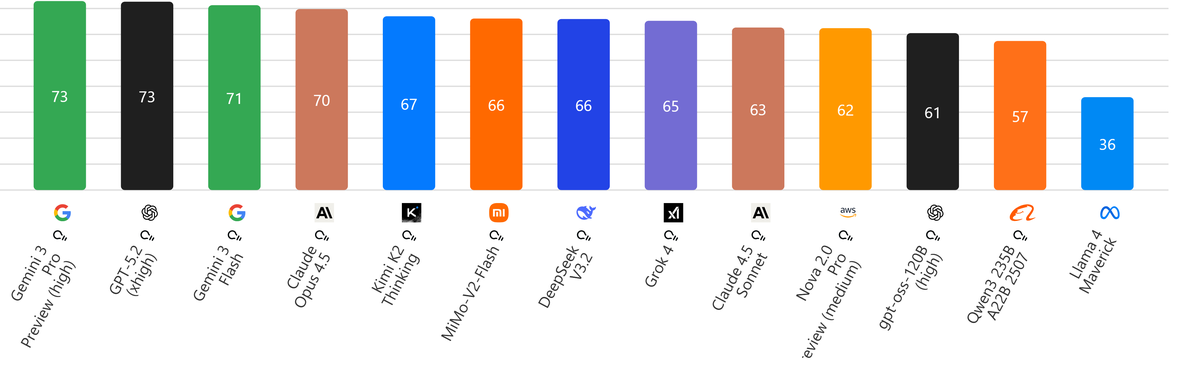
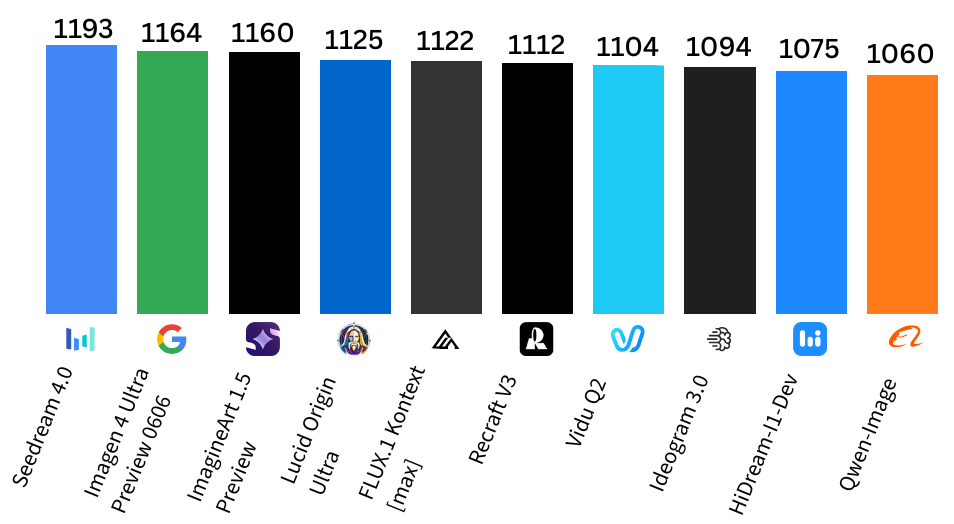
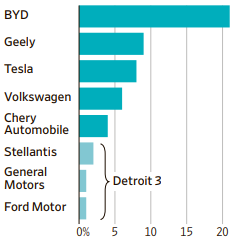
Now for the relevant part for most readers and that is which industries are likely to be impacted and the extent of the possible damage. Below is a partial list and our ranking of relative risk to the existing firms:
“The measure of great power is calculated in arms and industry, and space is so integral that unless there is a massive change in the current trajectory of global interaction, any future war between major powers will be won or lost in the battlefield of space.” (airuniversity.af.edu)



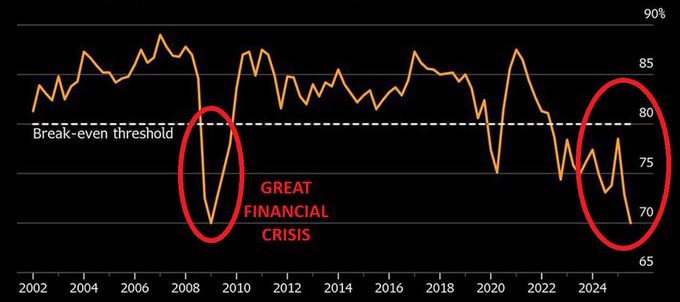
The global trading system is out of kilter, with China maintaining massive trade surpluses and other countries (the US, UK, and to an increasing extent, the EU) massive trade deficits. The counterbalance is typically shifts in currency levels and tariffs. While some of that is occurring, it is not happening at the expected rates. We expect that discussions regarding corrective actions will take place over the next couple of years but that finding workable solutions will prove difficult.
We focused on this topic because it is a paradigm change: that is, the state is willing to make massive investments and incur losses to establish a presence in key industries.
Given enough money and resources, any business can be built. China is directing massive resources in a variety of industries with the likely result being pain for those with exposures to those industries. Particularly troublesome is the willingness to sell below marginal cost.
The above reminds us of the adage of John Maynard Keynes:
“The market can remain irrational longer than you can remain solvent.”
We hope and expect this installment is helpful to sophisticated institutional investors and risk managers in navigating the ever-changing investment landscape.


.jpg)