.svg)

The world has changed massively in the past year and 2026 is likely to present significant risks and opportunities. This installment aims to identify the major themes and resulting shifts in investment profiles. Regarding performance, Egan-Jones is on track for another stellar year. In our subscription service, when the two large rating firms change their ratings, 86.5% of those moves have converged towards our ratings.
Note: At the bottom of this latest risk commentary we included one of our outstanding sovereign reports, which includes a rating that is materially different than our peers’.
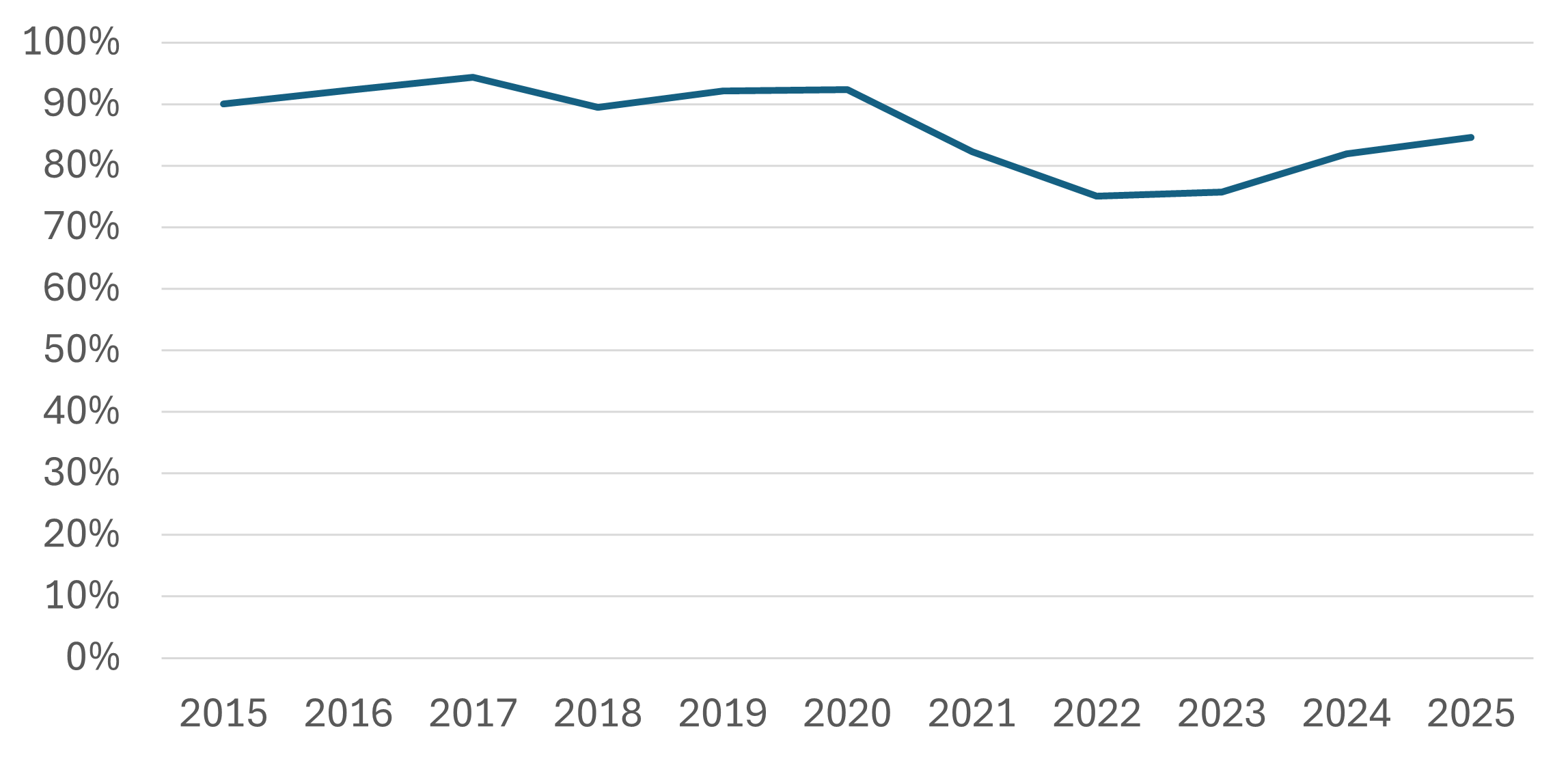
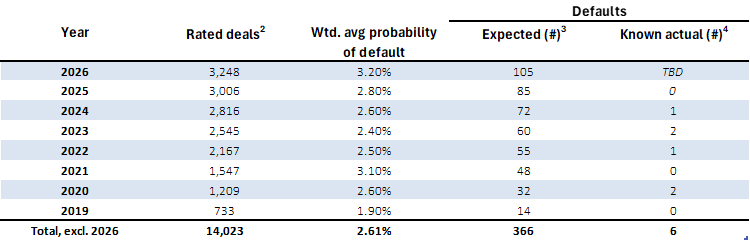
In the private debt ratings, the defaults realized were materially less than what one would expect based on our rating-implied probability of default.
Despite the challenges mentioned in the installment, the reality is that most economies have grown and the investors in those economies have benefited.
Note: this material is not solely from the Ratings side.

Perhaps it was impossible to avoid, but it is increasingly clear that just as the Soviet Union and the U.S. were engaged in a struggle post-World War II (and to a certain extent remain so), China and the U.S. are at loggerheads with the intensity varying by the week. The tariffs could be just one front of the struggle, as are the attempts to re-shore manufacturing.
Implications - High debt levels for both countries (and the EU) limit some options, but the struggle is likely to have a major impact over decades. Legacy defense firms have benefited, including new entrants such as Palantir and Anduril. Watch for China’s continued pressure on Taiwan.
Massive investments have been made in technologies promising to materially increase productivity. Perhaps the ultimate case is that of machines building machines and humans being somewhat of an afterthought.
Implications - Full self-driving is available in some cities and is proving to be safer and more convenient than human driving. It is only a matter of time before many other tasks prove to be better performed by the machines. In some cases, fewer people will be needed and others more. For those on the right side of this development, massive wealth will be generated. For others, achieving prosperity might become increasingly challenging.
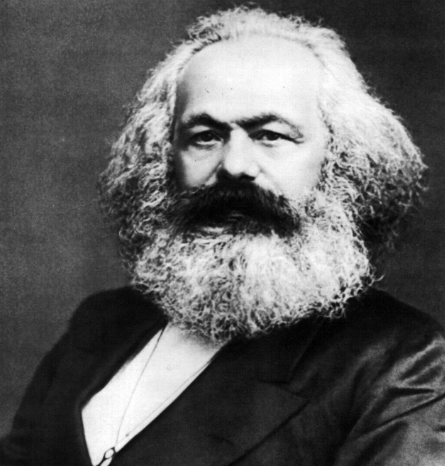
Karl Marx believed that labor was paramount and that over time, labor would unite and force a capitulation of capital. In the irony of ironies, the Communists are on track to become leaders in the capitalistic world. China and Vietnam have had massive success in their capitalistic endeavors.
Implications - While we are still in the early phases of this development, it is becoming painfully obvious that the following industries might be “lost” to the nouveau communists: automobiles, solar technologies, batteries, consumer electronics, and others.
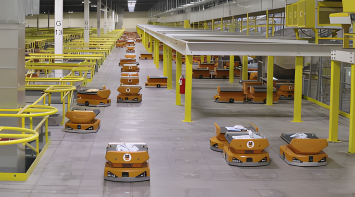
Some technical devices have become ubiquitous in ways never imagined. Mobile devices are at the top of the list for many. However, we doubt that it will stop there.
Implications - Watch for robots and AI to become increasingly proficient.

The writer had the pleasure of being driven by a well-informed Russian Lyft driver recently who conveyed the massive change regarding China over the past generation. When growing up, he mentioned that China was viewed as extremely weak and had the least acceptable jobs in the city. The tables have turned whereby in nearly every area in his Russian city the Chinese are dominant, and Russia is increasingly dependent on China for support.
Implications - When searching for sustainable economic advantages, being blessed with natural resources is not always a blessing. With their conquests in South America, Spain reaped untold riches. However, over time, it was resource-poor England which became the dominant power. Perhaps we can all learn from the success of Singapore.
As of eleven months ago, it appeared that one party had a lock on Washington and that massive changes were in the works. That lock appears to now be less sure, especially given the results of some recent elections. Make no mistake, there have been significant changes, but the rate is likely to slow and there might be some reversal depending on the midterm elections.

The engine for economic growth and development over the past 200 years appears to be sputtering to the point that it appears incapable of stopping a possible existential threat on its borders. Perhaps it is the exhaustion post WWII, perhaps it is the high sovereign debt, perhaps it is the shifting of views stemming from waves of migration. Regardless, there is a notable shift.
Implications - Perhaps not all is lost with the recent addition of Sweden and Finland to the NATO alliance. Furthermore, Ukraine is still fighting. Nonetheless, it has become increasingly clear that running a business in the EU has become more difficult.

The election of an apparent Marxist in the Capital of Capitalism (i.e., New York City) is a sea change and reflective of a shift in basic understandings. Perhaps it reflects the notion that many generally well-educated people feel they are not achieving what they had hoped and that a reshuffling is in order. Some say the event reflects the values already promoted by American institutions (education, media, tech, etc.). Regardless, it is a major shift that should not be ignored.
Implications - Our fear is that with advances in AI and robotics, the value of some labor is becoming less valuable and that the disparities might grow.
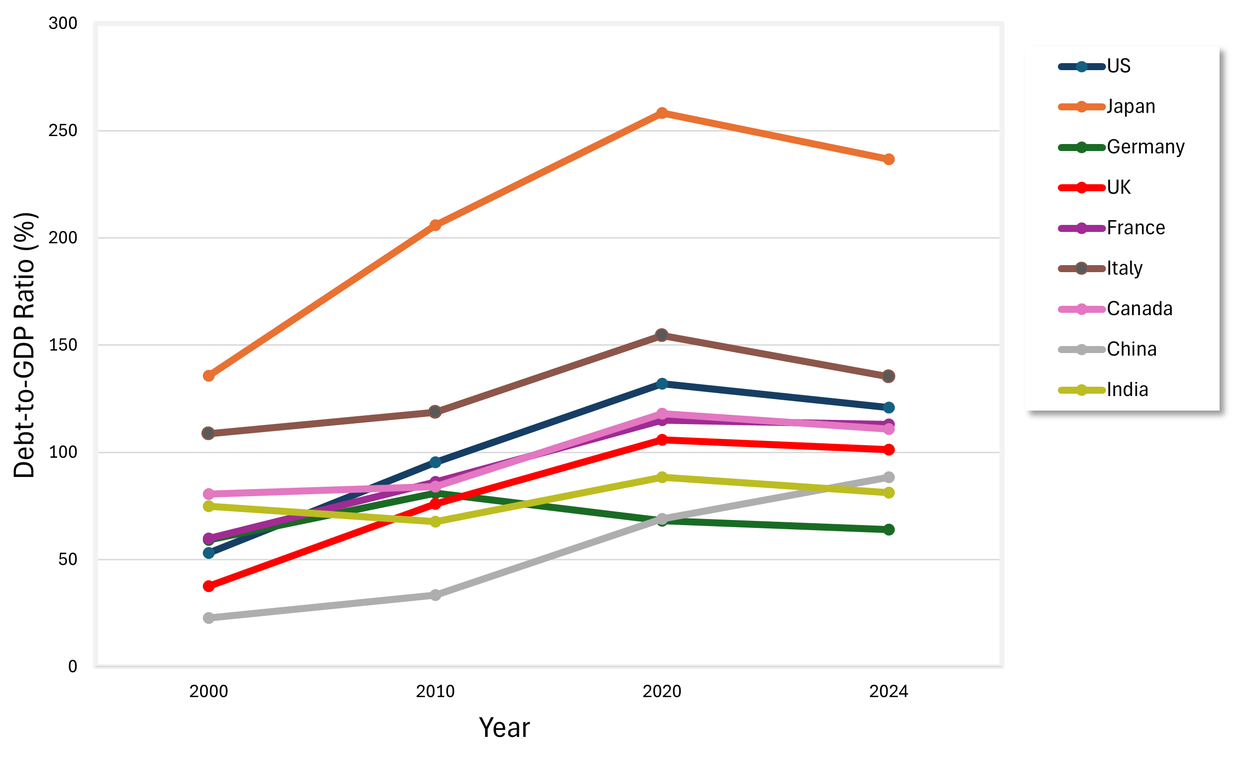
As can be seen in the above chart, the debt of most Western countries has risen substantially. This development is particularly depressing given the fact that the last major recession was in 2008.
Implications - Debt must be repaid. While some say the issuance of debt in one’s own currency is a major factor, our view is that it only buys some time. There have been numerous sovereign defaults despite funding via domestic debt. A possible offset is that AI and technologies will result in massive growth and reduction in costs.
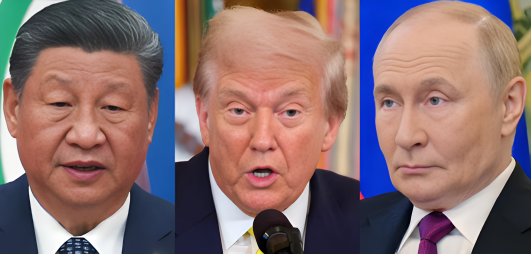
The age of leaders of China (72), U.S. (79), and Russia (73) is raising issues of succession, particularly in the non-democratic states.
Implications

The political turmoil in numerous countries suggests very different views on the best path forward. Western nations are experiencing some of the most tumultuous times since the 1960s. Society is in the process of changing and priorities are being sorted out.
Implications - Issues will be sorted out over time.
.png)
Nuclear capability has extended to additional countries, thereby multiplying risks.
History has shown that with every new financial innovation comes increased risk; see the example of LBOs, junk bonds, CDOs, etc. Watch for excess betting and leverage.
Implications - The implications are obvious.
Hopefully this summary is helpful. While all these risks are concerning, the reality is that the global economies continue to advance.
Perhaps the major offset which has not been identified is the massive power the central banks have been provided to bridge “hiccups” in the economy.


.jpg)