.svg)
Underlying many investment theses are assumptions. At times, those assumptions are wrong, in some cases, disastrously wrong. For the benefit of sophisticated institutional investors and risk managers, this installment addressed some of those assumptions.
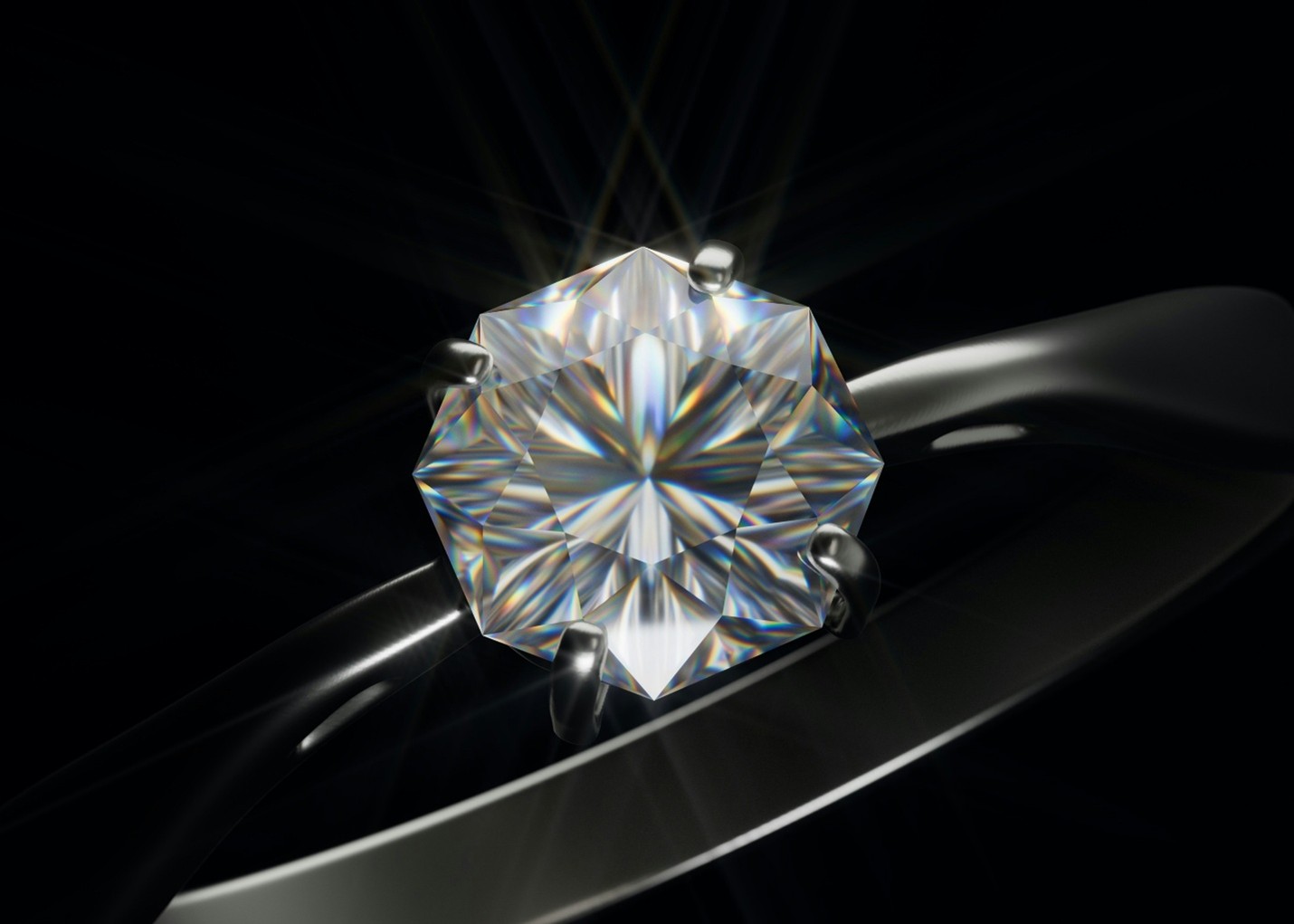
The mark of nearly every respectable married (and engaged) woman was a gorgeous diamond wedding ring. The notion was that if a husband was going to be a decent provider, he would not even think about asking a woman to consider marriage without an appropriate diamond ring. The diamond powerhouse DeBeers minted the advertising jingle around the notion with the quip: “A Diamond is Forever.”
Well, diamonds might have been created eons ago, but are far from forever, as many have learned. As usual, the culprit is technology, as lab-grown diamonds are proving to be less expensive, more brilliant, and essentially impossible to distinguish from the nature produced stones. “Cheaper, better, faster” appears to be at play and is reflected in the below graph.
.png)
For those romantically inclined, another example of the above concerns pearls. An old-money heiress loved jewelry, particularly pearls, which were rare and highly desirable. Mrs. Plant lived in a glamorous house on Fifth Ave, which at that time was valuable, and in her mind was approximately as valuable as the rarest of pearls:
“Over a century ago, the story of how Cartier traded an exceptional pearl necklace for a grand mansion began. It was 1917 when Pierre Cartier first found the magnificent location in Manhattan. Pierre proposed a legendary swap to its owner, Morton Plant, after his wife, Maisie Plant, fell in love with a natural pearl necklace from Cartier. The necklace was exchanged for the Mansion, and the dream became a reality.”

What appeared to be a fair trade, soon became something else. Despite the outlandish property taxes and the onerous upkeep, technology yet again betrayed what appeared to be a sound investment. Unforeseen by Mrs. Plant and many others, was the development of cultured pearls, which of course dramatically increased the supply and in turn, reduced the cost. In retrospect, Mr. Cartier was a massive beneficiary.
Now turning to an item that is closer to all of us professionals, and that is the love of gold. Over the past several centuries, gold has experienced a massive run-up as illustrated below.
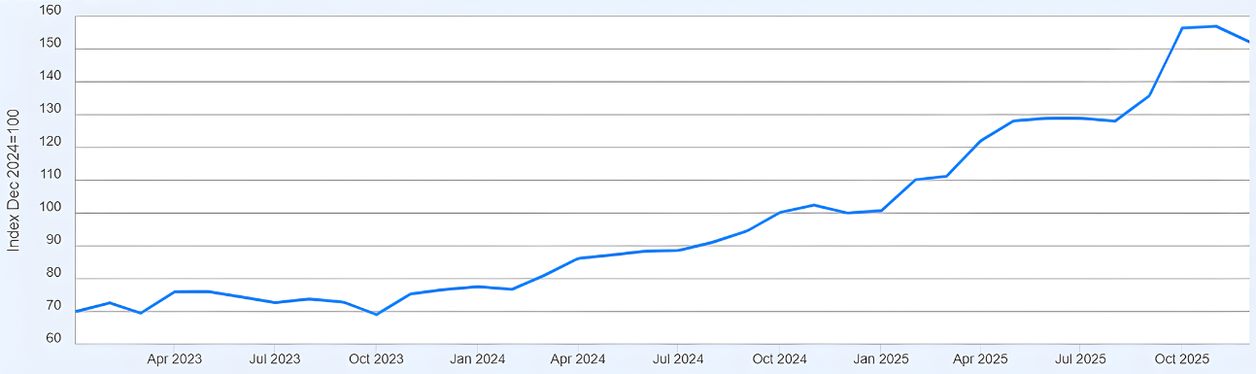
Perhaps this is different, as for centuries, gold was, well “as good as gold.” However, there are a few considerations which might be relevant. On its own, while gold is pretty to look at, it rarely generates income. In fact, the Incas and presumably the Aztecs valued it, but it was not considered money as they had no concept of money.
The reality is that under miserable conditions, often using dangerous chemicals (e.g., cyanide), gold is extracted from deep underground and then subsequently buried again deep underground but in vaults at great cost and inconvenience.
While this might make sense to many, what if technology again changes the equation? With the decline in the cost of space travel, the concept of mining supposedly gold-rich asteroids is being discussed. Perhaps such a notion appears fanciful today. However, over time, the impossible often shifts to possible, then probably, and finally likely.
One more romance worth examining, which is essential to all of us, and that is the currencies. The idea of money has evolved over time as various forms faced a breakdown. During the American Revolution, the Continental Congress issued currency in the form of “continentals”. Because of the massive need for money and the limited ability to back that currency, over time the continentals lost value. Hence the adage “not worth a continental” was born.
Post the Revolution, numerous banks printed currency, but those also ran into trouble with various business cycles and runs on banks. Eventually, the US Treasury created currency, which was backed and could be exchanged for gold at a set rate. In an effort to boost the economy, FDR took the currency off the gold standard, which it remains off until today. (President Nixon further distanced the connection via Executive Order 11615, which ended any conversion of dollars to gold.) The unspoken understanding was that the currency would more or less keep its value.
That notion might become re-examined if countries have difficulty. We have great respect for Japan, but with debt to GDP at 216% and rising interest rates, the question might become the timing and form of a reset.
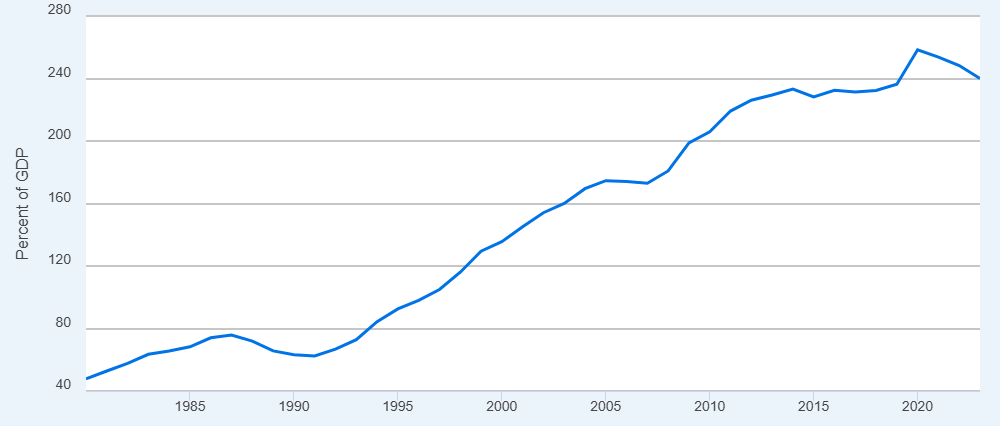
Concepts of value and wealth change over time and perhaps we will be entering one of those times.


.jpg)